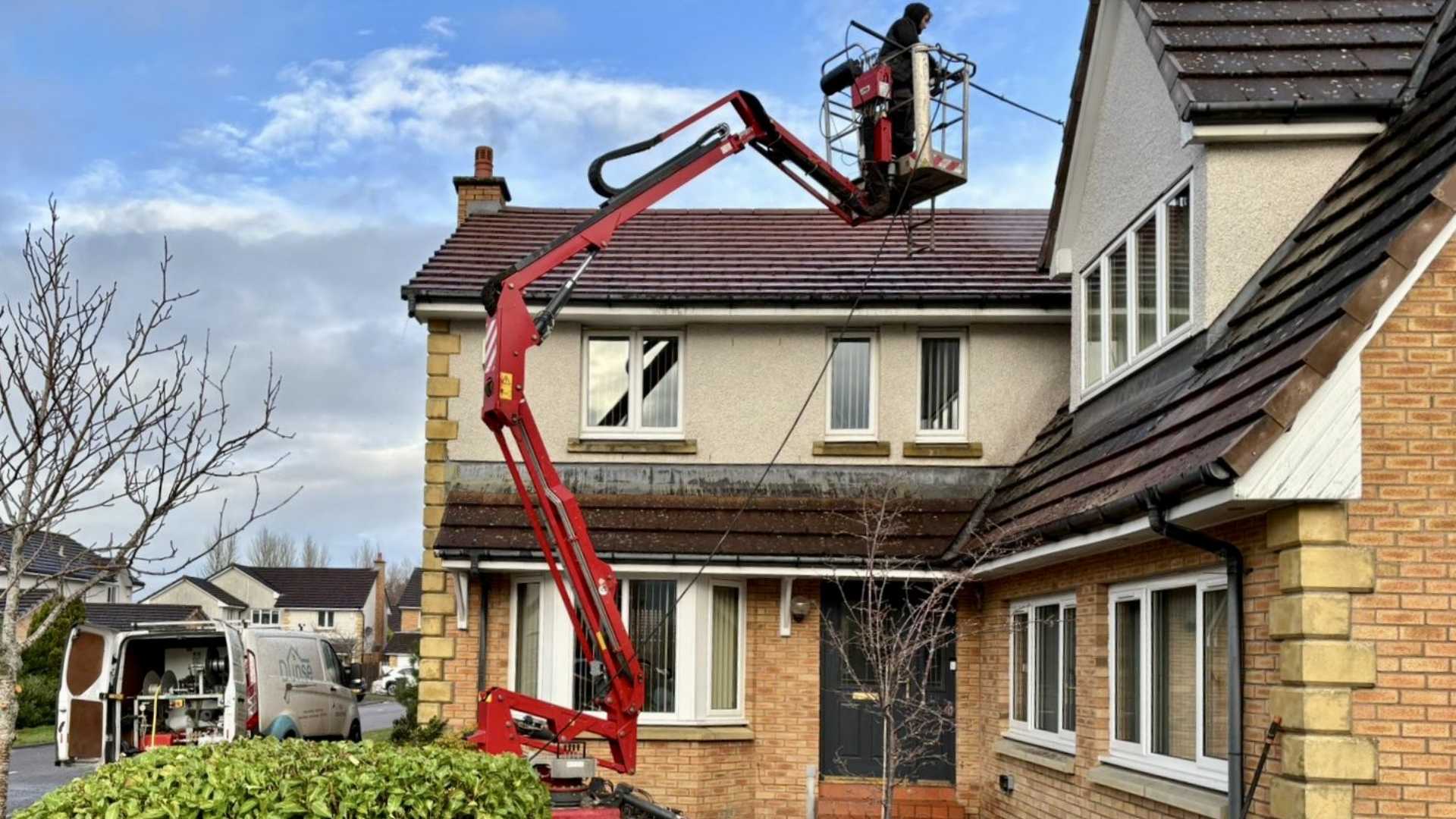
Roof Leak After Heavy Rain – Shocking Causes and Urgent Solutions
Heavy rainfall can reveal hidden issues in your roof. A roof leak after heavy rain is not only inconvenient but can also lead to significant structural damage if left unaddressed. Our services at Dunse Power Cleaning focus on maintaining roofs and preventing water damage, helping homeowners keep their properties safe and dry.

Common Causes of Roof Leak After Heavy Rain
A roof leak after heavy rain often results from multiple factors:
- Damaged or missing shingles – Water can easily penetrate areas where shingles are cracked, warped, or missing entirely.
- Clogged gutters and downspouts – Rainwater may overflow, seeping into roof edges and causing water to enter your home.
- Poor roof flashing – The metal strips around chimneys, vents, and skylights can deteriorate over time, creating gaps that allow water in.
- Worn roofing materials – Roofing felt, tiles, and membranes naturally weaken with age, becoming more susceptible to leaks.
- Ice dams and heavy debris – In colder months, melting ice or accumulated leaves can trap water and create pressure on the roof, leading to leaks.
Identifying these issues early can prevent a small leak from turning into major repairs.
How to Handle a Roof Leak After Heavy Rain
If you notice water stains on your ceiling, dripping inside your home, or musty odors in your attic, act quickly. Steps include:
- Temporary patching – Use waterproof tape or a tarp to prevent further water damage until professional help arrives.
- Inspect the attic – Check for signs of moisture, mold, or structural compromise. Moist areas can worsen quickly if ignored.
- Document the damage – Take photos for insurance purposes, making claims easier.
- Contact professionals – Our services at Dunse Power Cleaning include thorough roof inspections and cleaning to address leaks at the source and prevent future problems.
Prompt action reduces the risk of costly repairs and protects the integrity of your home.
Preventing Roof Leaks in the Future
Prevention is always better than repair. Here are practical tips to reduce the chances of a roof leak after heavy rain:
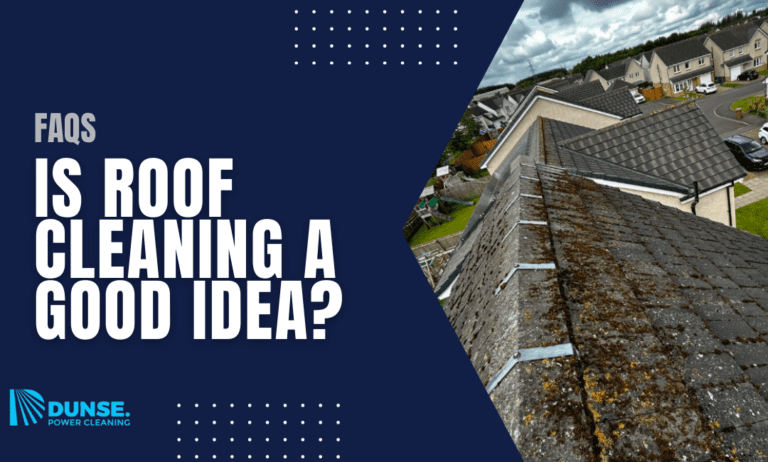
- Regular roof cleaning – Removing moss, algae, and debris prevents moisture from accumulating and reduces damage over time.
- Maintain gutters and downspouts – Clear leaves and dirt to ensure rainwater flows smoothly away from your roof and foundation.
- Routine inspections – Check for wear and tear, especially after storms or extreme weather conditions.
- Professional maintenance – Our roof cleaning and maintenance services help extend the life of your roof.
- Seasonal preparation – Inspect and clean your roof at the start of each season to minimize water damage risks. For winter, ensure ice and snow are cleared; for autumn, remove fallen leaves and debris.
Learn more about professional roof care by visiting our Facebook page.
Consequences of Ignoring a Roof Leak
A roof leak after heavy rain may seem minor at first, but ignoring it can lead to:
- Structural damage – Persistent water exposure can weaken beams, rafters, and ceilings.
- Mold growth – Moist environments encourage mold, which poses health risks and can damage materials.
- Electrical hazards – Water seeping near wiring or fixtures increases the risk of short circuits or fire.
- Higher repair costs – Early repairs are usually less expensive than major renovations caused by prolonged leaks.
By taking preventive measures and scheduling regular maintenance, you can avoid these problems and maintain a safe, durable home.
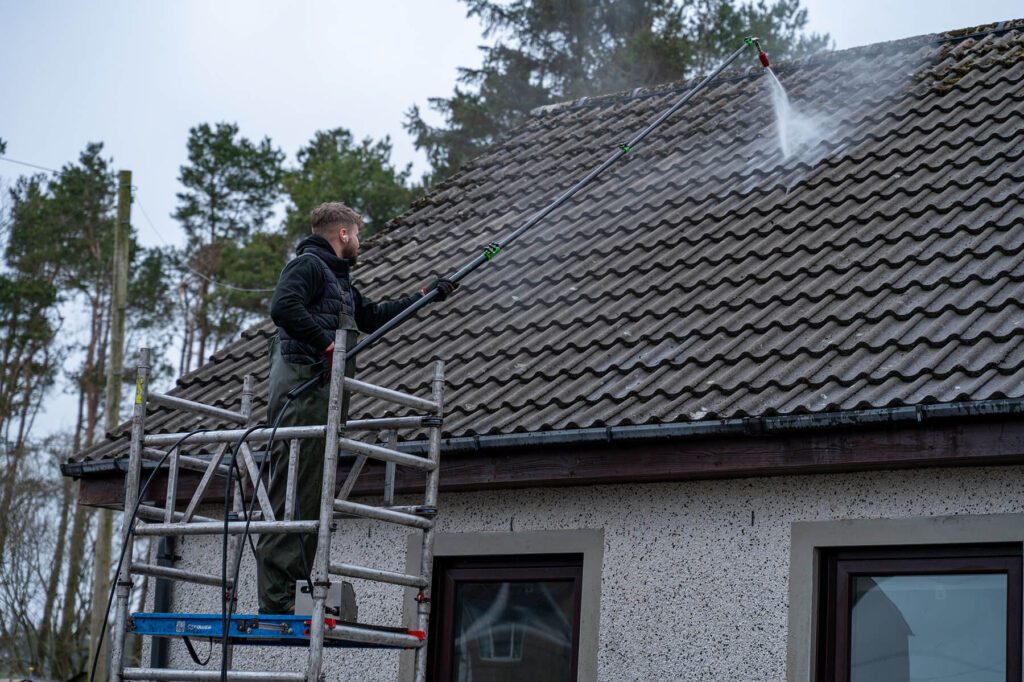
Our team provides expert roof cleaning, maintenance, and inspection services. Using advanced equipment and techniques, we reduce the chance of leaks after heavy rain and protect your property year-round.
Serving Edinburgh, Glasgow, and Fife, Dunse Power Cleaning offers tailored solutions to suit every home. Contact us today for a free quote and safeguard your roof against future water damage.